Water Extraction and Structural Drying in Phoenix
Request an estimate from a local provider
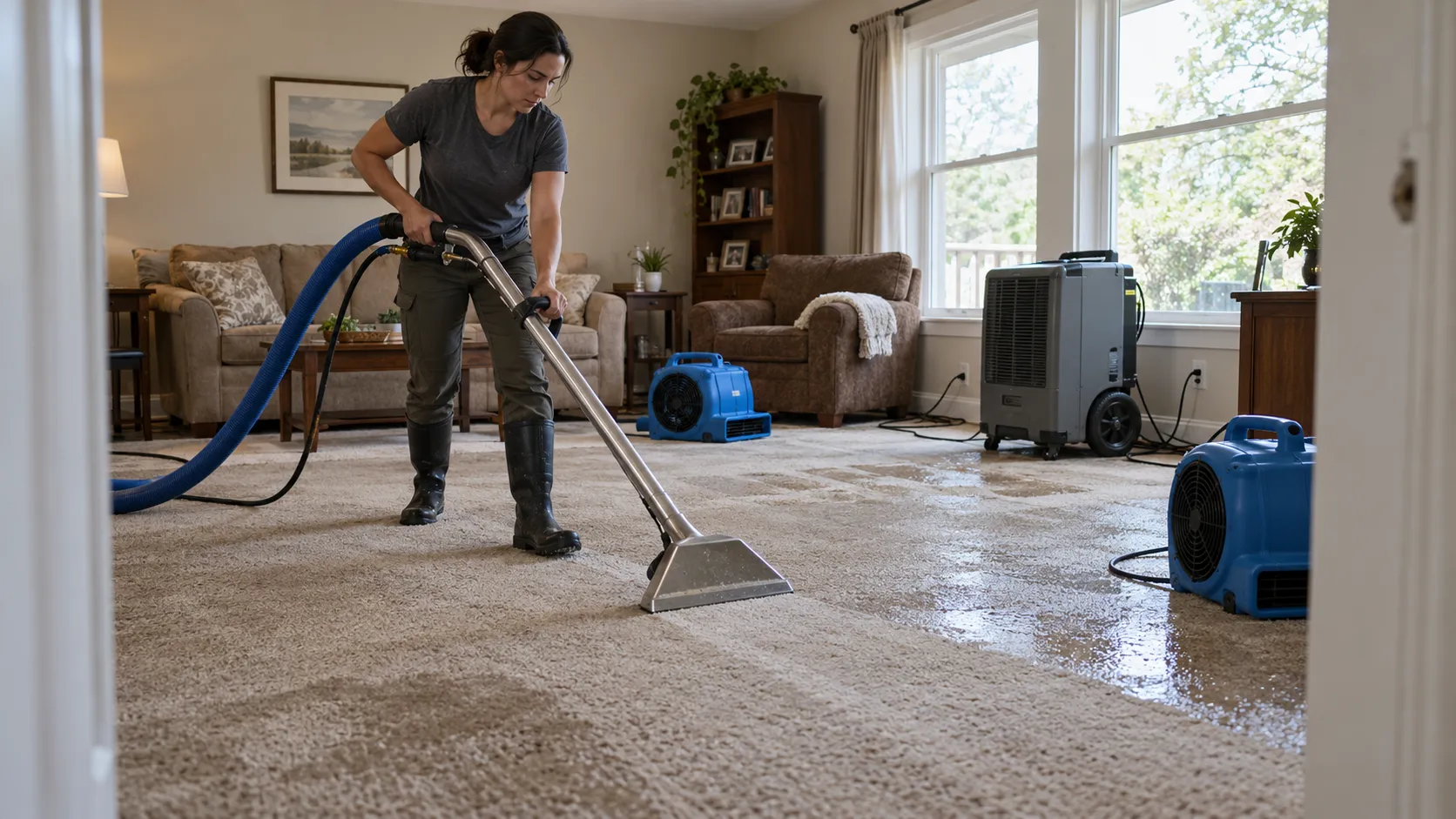
Water extraction is the first job after a leak, flood or storm. A provider uses pumps and strong vacuums to remove standing water from floors, carpet and low spots. This stops water from spreading further into your home.
Structural drying comes next. Water hides in wall bases, subfloors and framing, even when floors look dry. Providers use air movers, dehumidifiers and moisture meters to dry it out and check the results. Fencelies Restoration is a referral service. We connect Phoenix homeowners with independent providers in our network, and the provider does the work.
Standing water in your home? Start here
Take a breath. You can handle this one step at a time. If water is pooling inside your Phoenix home, the goal is simple: stay safe, stop the source, and get a provider lined up to pull the water out and dry the structure.
This page explains how both jobs work, what to expect, and how to hire with confidence.
A steady first hour
Check for danger
If water is near outlets, cords or the electrical panel, stay out of the room. Turn off power at the breaker only if you can reach it while standing on dry ground. Otherwise, wait for a professional.
Stop the source
Shut off the main water valve for a broken pipe or a failed appliance line. For storm water, you may not be able to stop it. Just keep people and pets out of the wet area.
Document as you go
Take photos and short videos of the water, the damage and any ruined items. Providers can often help document damage for a claim, but your own photos give you a head start.
Why pulling water out quickly matters
Water does not stay put. It soaks into drywall, wicks up walls and slips under flooring. Wet materials can start to swell, warp and grow mold in a day or two, so many providers can respond quickly when you reach them.
In our region, monsoon storms can dump heavy rain in a short time. Stucco walls and slab foundations can hold moisture in ways that are not obvious. A wall can feel dry on the outside while the frame behind it stays damp.
How water extraction works
Extraction removes the bulk of the water. A provider may use submersible pumps for deep water and wet vacuums for shallow water. Truck-mounted or portable extractors can pull water out of carpet and pad.
On tile or hard floors, the provider may use squeegee-style tools and wet vacuums. The work also covers low corners and under cabinets where water collects. Removal comes first because every gallon left behind makes drying longer.
How structural drying works
Extraction does not finish the job. Damp materials still hold water, and that moisture needs to leave through the air.
Air movers and dehumidifiers
Air movers push dry air across wet surfaces. Dehumidifiers pull moisture out of the air so it does not settle back into walls. Providers set up the equipment based on room size and how wet things are.
Moisture readings
A good provider uses meters to measure moisture in drywall, baseboards, framing and subfloors. They record readings on the first visit and on later checks. This shows whether the drying is working. Dry it right means measuring, not guessing.
Opening up walls when needed
Sometimes a provider cuts a small hole near the base of a wall or lifts baseboards so air can reach the wet spots. This can feel drastic, but it often saves a wall from deeper damage.
How long does drying take?
Most drying projects run a few days, though results vary by job. Small leaks on hard floors may dry faster. Deep water, thick carpet pad or wet insulation can take longer.
In dry desert weather, outdoor air can help. Do not count on it, though. Closed-up homes with air conditioning still need equipment to bring moisture down to safe levels. The provider should tell you the numbers they are aiming for and when they will check them.
What you can do while you wait
- Move small furniture, rugs and valuables to a dry room.
- Lift curtains and keep fabric off wet floors.
- Open cabinet doors if a provider has not said otherwise.
- Keep children and pets away from wet areas.
- Do not run a regular household vacuum on water.
- Skip heating the home to dry it. Let the provider set the plan.
If you are unsure about any step, ask first.
Ask before you hire
You are the one letting someone into your home on a stressful day. Good providers expect questions. Here is what to ask, and what a good answer sounds like.
Questions worth asking
- Can you explain your drying plan? A good answer names the equipment, the rooms and how often they will check moisture.
- How will you measure progress? Look for moisture meters, written readings and a clear finish point.
- Do you carry insurance for this work? A good provider answers plainly and can show proof when asked.
- Will I get a written estimate before work starts? The answer should be yes, with the scope listed.
- What could change the price? Hidden wet areas can add work. A good provider explains how they would tell you first.
Red flags to watch for
- Pressure to sign right away, before you have read anything.
- No written estimate, or a price that is only a round number.
- A plan with no moisture readings.
- Large cash payment demands up front.
- Vague answers about who will actually show up.
When something feels off, you can pause and ask another provider in our network.
A note on homes in our region
Slab foundations mean water often spreads across the floor and into wall bases. Tile roofs and flat roofs can leak during hard monsoon rain. Newer subdivisions may have tight, well-sealed homes that trap moisture. Mention your home style when you talk with a provider so they plan for it.
Your next step
Request an estimate and share a few details: where the water is, how deep it is and when it started. Fencelies Restoration then refers you to an independent provider who can confirm the details and explain the plan. There is no obligation to hire anyone.
What's Included
Standing water removal
Pumps and wet vacuums pull water from floors, carpet and low spots so it stops spreading.
Moisture mapping
Meters check walls, floors and framing to find hidden wet areas.
Air movers and dehumidifiers
Equipment moves air and pulls moisture out of the room until materials are dry.
Progress checks and notes
Providers often record readings over several visits, which helps show the drying is complete.
Typical costs for extraction and drying
Prices depend on how much water there is, what it soaked, and how long drying takes. These are typical U.S. ranges only. Always get a written quote before work begins.
| Item | Typical range | Notes |
|---|---|---|
| Small leak, one room | $500 – $1,500 | Limited water and short drying time |
| Water extraction, per job | $300 – $1,200 | Depends on depth and area covered |
| Structural drying equipment, per day | $200 – $600 | Air movers and dehumidifiers |
| Multi-room drying project | $2,000 – $6,000 | Several rooms and a longer drying period |
| Carpet pad removal | $1 – $3 per sq. ft. | Often needed when pad stays wet |
| Drywall cutouts and repair | $300 – $2,000 | Varies by wall size and finish |
How It Works
Share the details
Tell us where the water is, how deep it is and when it started.
Get matched
Fencelies Restoration refers you to an independent provider in our network.
Review the plan
Ask about the drying plan, equipment, written estimate and how progress will be checked.
Dry it right
The provider extracts the water, sets drying equipment and checks readings until the structure is dry.
Why Call Fencelies Restoration
Ask before you hire
We share questions and good answers so you can compare providers with confidence.
Local providers
Independent providers in our network serve homes across the Greater Phoenix area.
Plain guidance
Short, simple steps help you stay steady during a stressful day at home.
No obligation
Request an estimate and decide for yourself whether to hire the provider.
Other Services
Need water extraction & structural drying services in Phoenix?
- Request an estimate in about a minute
- Independent local providers
- No obligation to hire
- Calm, clear guidance
Water Extraction & Structural Drying Services FAQ
How long does structural drying take after water extraction?
Most projects run a few days, but it varies. Deep water, wet insulation and thick carpet pad can take longer. Ask the provider for target moisture readings and when they will check them.
Can I dry my house myself with fans?
Fans help with a tiny spill, but they often miss moisture inside walls and under floors. Hidden dampness can lead to mold, so many homeowners ask a provider to measure moisture.
Does homeowners insurance cover water extraction?
Some policies may cover sudden damage, such as a burst pipe. Others exclude floods or slow leaks. Check your policy, and ask the provider to help document the damage for a claim.
Tell us what happened
Tell us what happened and request an estimate. Fencelies Restoration will connect you with a local provider in our network. There is no obligation.
No obligation